

All
Popular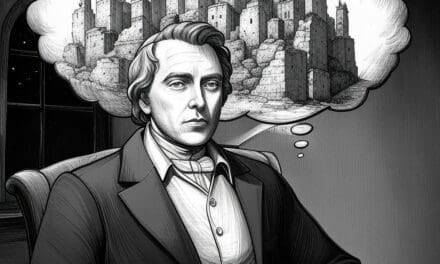
Let’s talk about Enoch: Biblical, Extra Biblical & Joseph Smith’s Account.
Apocrypha & Ancient TextsAbout 1,500 words · 7-minute read Let’s talk about the Biblical...


All
Top Rated
What Was on the Brass Plates? Jonah Barnes’s “The Key to the Keystone”
Lehi's family carried a scripture record out of Jerusalem that held more than our Old Testament does. Jonah R. Barnes's 2024 book asks what was on it, using texts that surfaced after 1830. Here's the question, the scriptural groundwork, and why it matters.


All
Latest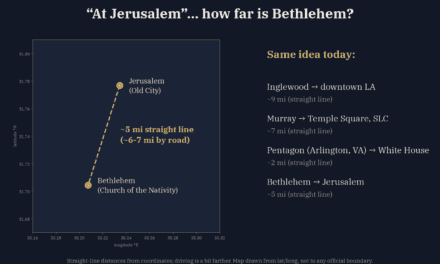
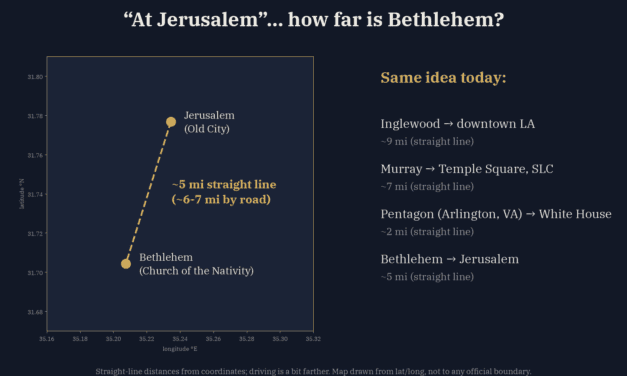
Born “at Jerusalem”? Why Alma 7:10 Points Toward an Ancient Book, Not a Mistake
Book of Mormon Evidence · Alma 7:10Critics have laughed at Alma 7:10 since 1831. Read the verse...
Born “at Jerusalem”? Why Alma 7:10 Points Toward an Ancient Book, Not a Mistake
Book of Mormon Evidence · Alma 7:10Critics have laughed at Alma 7:10 since 1831. Read the verse...
Read More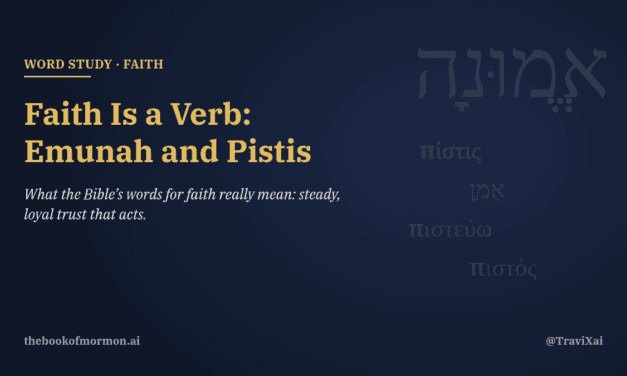
Faith Is a Verb: What Emunah and Pistis Really Mean
In Hebrew, faith (emunah) means steadiness, the word used for Moses’ steady hands in Exodus 17:12. In Greek, pistis covers belief, trust, and faithfulness. A word study on what the Bible means by faith, with non-LDS scholars Teresa Morgan, Matthew Bates, and Nijay Gupta.
Read More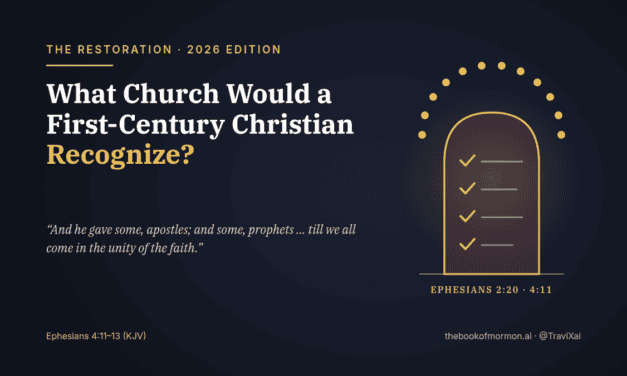
What Church Would a First-Century Christian Recognize? (2026 Edition)
Drop a Christian from first-century Ephesus into 2026 and hand him a New Testament checklist: apostles and prophets (Ephesians 2:20; 4:11–13), the Twelve kept full (Acts 1), the seventy (Luke 10:1), elders, bishops, and deacons, baptism by immersion, the Holy Ghost by laying on of hands (Acts 8:17), baptism for the dead (1 Corinthians 15:29), revelation, and Christ’s name. A fair, verse-by-verse comparison.
Read More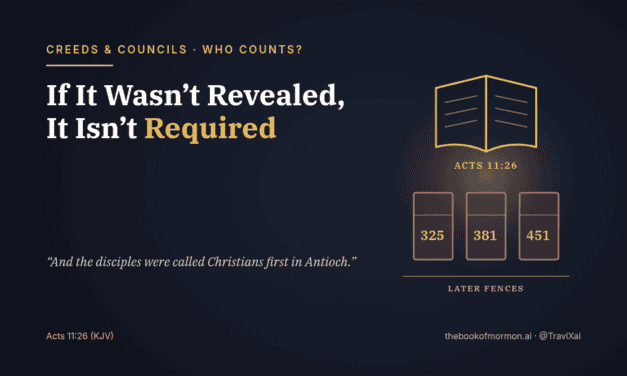
If It Wasn’t Revealed, It Isn’t Required: Councils and Who Counts as Christian
The Bible defines a Christian in one verse: “the disciples were called Christians first in Antioch” (Acts 11:26). Jesus’ own tests are fruits, love, and keeping His commandments. Then Nicaea (325), a 380 imperial edict, Constantinople (381), and Chalcedon (451) added vocabulary no apostle used and enforced it with anathemas. If God didn’t reveal it, no one gets to require it.
Read More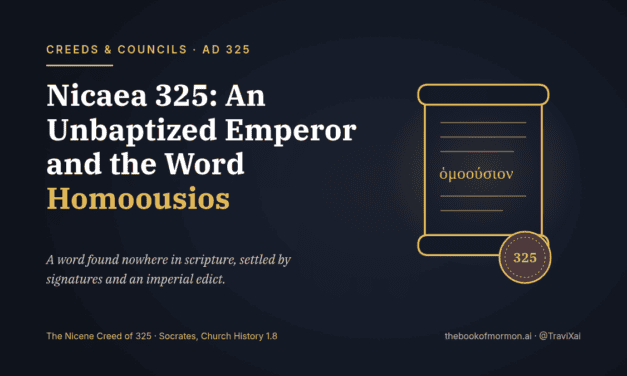
Nicaea 325: An Unbaptized Emperor and the Word ‘Homoousios’
The Council of Nicaea was convened by Constantine, a catechumen who wasn’t baptized until his deathbed in 337. Its key word, homoousios, appears nowhere in scripture; Athanasius admits the bishops adopted it because every Bible phrase also applied to people. Here’s what Eusebius, Socrates, and Jerome actually record, the myths to drop, and how Acts 15 settled doctrine instead.
Read More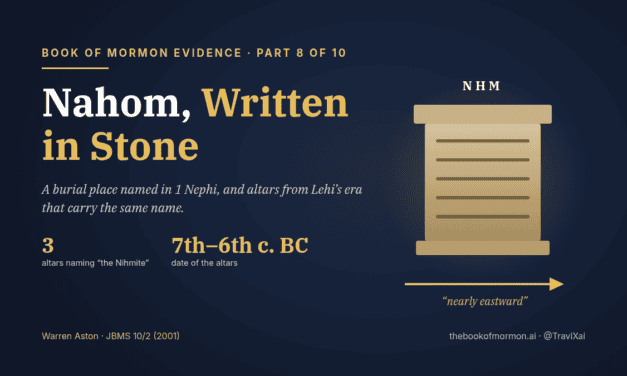
Book of Mormon Evidence, Part 8 of 10: Nahom
Nephi says Ishmael was buried in “the place which was called Nahom,” and then the family traveled “nearly eastward.” Three altars from a temple near Marib in Yemen name a donor as “the Nihmite,” and they date to around Lehi’s time. Here is the evidence, the route to Bountiful, and the fair caveats. Part 8 of 10.
Read More